What Your Gums Can Reveal About Your Body
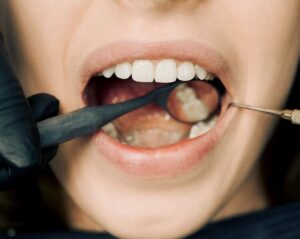
Bleeding gums can seem like a minor issue, but they can actually say a lot about what’s happening in the body. In systemic dentistry, gum health isn’t looked at by itself. It’s connected to the oral microbiome, the gut, and even the body’s ability to rest and clear waste through the glymphatic system.
That’s why gums, gut, and glymphatic are the G in the AGES protocol.
AGES is a whole-body dental framework created by Dr. Nammy. It connects oral health with the rest of the body to understand what’s happening in the mouth and how it can be connected to systemic disease. This helps her create dental care that supports more than just your teeth.
Explore the complete AGES protocol here.
How the Gums, Gut, and Glymphatic Systems Work Together
The mouth, gut, and brain are not separate systems. They are constantly communicating with each other.
The gums are the starting point. When gum tissue is healthy, it helps protect the body from harmful bacteria. When the gums are inflamed or infected, that barrier can become more vulnerable. Bacteria and inflammatory byproducts may have more opportunity to move beyond the mouth.
The gut is connected because everything that enters the mouth eventually moves through the digestive system. Oral bacteria can affect the balance of the gut microbiome, especially when harmful bacteria are present in larger amounts. This is why Dr. Nammy looks at the mouth as part of the gut-health conversation.
The glymphatic system is the brain’s natural waste-elimination system. It helps remove byproducts from the brain, especially during sleep. When the body is dealing with inflammation, the brain’s cleanup process may not work as efficiently as it should.
This is why systemic dentistry matters. Bleeding gums are not just about the gums. Bad breath is not just about odor. Biofilm is not just something to scrape away at a cleaning. These signs can reflect what is happening in the oral microbiome and how much stress the body may be managing every day.
How Oral Bacteria and Periodontal Disease Impact Overall Health
Your mouth is full of bacteria all the time. That’s normal. The problem starts when the harmful bacteria begin to take over and the gums stay inflamed.
With periodontal disease, bacteria can collect under the gumline where brushing and flossing can’t always reach. The body responds with inflammation, which is meant to protect you. But when that inflammation keeps going, it can start to damage the tissue and bone that support the teeth.
Oral bacteria can move through the body in different ways. When bacteria are swallowed throughout the day and pass into the digestive system, this can contribute to gut issues like acid reflux and irritable bowels.
Bacteria in the gums can also reach the bloodstream or get breathed into the airway, which puts even more inflammatory stress on the body. By lowering the bacterial burden through good oral care, the body’s natural recovery systems work more efficiently.
Biological Tests & Treatments for Oral Bacteria
Oral Microbiome Testing
Oral microbiome testing helps show which bacteria are living in your mouth and whether certain harmful bacteria are present in higher amounts. This allows Dr. Nammy to develop treatments that are designed to target bad bacteria without destroying good bacteria.
Explore oral microbiome testing
Laser Dentistry
Laser dentistry can be used to treat inflamed or infected gums with more precision and reach areas that traditional cleanings can’t. This can be helpful when bacteria have moved below the gumline or there are periodontal “pockets.”
Healthy gums fit tightly to the teeth to prevent plaque and bacteria from coming into contact with tooth roots and jawbone. Pockets are spaces in between the teeth and gums where inflammation has caused the gums to separate and pull away from the tooth. These areas cannot be cleaned without a laser or special tools.
Ozone Therapy
Ozone therapy gives Dr. Nammy another way to target harmful bacteria in irritated or infected gum tissue. Ozone is a form of oxygen made of three oxygen atoms. Because it’s highly reactive, it can interact with bacteria in a way that helps weaken or break down their outer layer. This makes it harder for certain harmful bacteria to survive in the treated area and can help reduce bacterial load in the mouth.
Perio Protect
Perio Protect is a take-home treatment that may help patients manage bacteria below the gumline between visits. It uses custom trays that fit over your teeth and deliver medication into the spaces around the gums. When used in conjunction with other treatments, Perio Protect can help control infection and reduce inflammation.
Guided Biofilm Therapy
Biofilm is a layer of bacteria that builds up in the mouth. It’s typically sticky and can be hard to get off your teeth. Some of it comes off when you brush and floss, but it can still collect around the gumline and in between the teeth. With Guided Biofilm Therapy, biofilm is made easier to see before it’s removed. This helps Dr. Nammy clean the areas that need the most attention.
Discover Guided Biofilm Therapy
Start with a Periodontal Assessment Today
If your gums bleed, feel swollen, or look irritated, you may have harmful oral bacteria. Schedule a periodontal assessment with Dr. Nammy today to get a better understanding of what’s going on in your mouth and how it could be connected to other systems in your body. Call now for an appointment at (415) 612-8930 or request one online.
Frequently Asked Questions
What are the other components of the AGES protocol?
The AGES protocol includes three other components. A stands for Airway and how breathing issues can impact other systems in the body. E stands for Energy and how hidden oral problems can zap your energy away from the source. S stands for Sculpt, which looks at how cosmetic issues like facial structure and bite alignment affect the health of your mouth.
Read More
Is gum disease reversible?
Gum disease can often be improved with the right oral care. When it moves into the surrounding tissues, it can progress to bone and tooth loss. Once it reaches this stage, treatment can prevent it from getting worse but may not restore damaged tissue or teeth. Dr. Nammy can let you know what stage you’re in after a periodontal assessment.
Read More
The 4 Stages of Gum Disease (Periodontal Disease)
Gum Disease and Whole-Body Health
The Health Risks of Gum Disease and Holistic Treatment Options
Does ozone therapy replace a dental cleaning?
No. Ozone therapy doesn’t replace professional cleaning or periodontal care. It’s a supportive treatment that may help lower harmful bacteria in irritated or infected areas. Dr. Nammy may use it along with Guided Biofilm Therapy, laser dentistry, or other gum treatments.
Read More
What is Ozone Therapy and Why Is It Used? (Podcast)
Healing Gum Disease with Ozone Therapy
Understanding Dental Ozone Therapy
How do I know if I need periodontal treatment?
You may need periodontal care if your gums bleed or feel tender and swollen. Bad breath that keeps coming back can also be a sign. Other clues include gum recession, loose teeth, tooth sensitivity, or buildup that returns quickly after cleanings. A periodontal assessment is the best way to know what’s really going on.